
 ZeckRV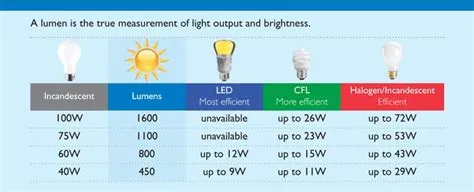
INTERIORDECOR.BIZ.ID – Light is a fundamental aspect of our perception and interaction with the world, playing a crucial role in everything from plant photosynthesis to human vision. Understanding how we quantify light is essential, and a key term in this measurement is the lumen.
The concept of light’s importance extends to its physical properties, which scientists meticulously measure to understand its effects. The lumen is a unit of measurement that specifically quantifies the perceived brightness of light, a vital metric for various applications.
What is a Lumen?
A lumen (symbol: lm) is the international standard unit of luminous flux. It measures the total amount of visible light emitted by a source per unit of time. Think of it as the overall ‘brightness’ power of a light source, encompassing all the light it produces in every direction.
This measurement is different from wattage, which measures the electrical power consumed by a light bulb. Two bulbs with the same wattage can produce very different amounts of light, making lumens a more accurate comparison for brightness.
Lumen vs. Lux vs. Candela
While lumens measure the total light output, other units help describe light’s intensity and distribution. Lux (lx) measures illuminance, which is the amount of light falling on a specific surface area. One lux is equal to one lumen per square meter.
Candela (cd) measures luminous intensity, the amount of light emitted in a particular direction. This is useful for focused beams, like those from a spotlight, as opposed to an omnidirectional bulb.
Why Lumen Matters
The lumen definition is critical for choosing the right lighting for any space or purpose. For example, when selecting light bulbs for your home, higher lumen counts indicate a brighter light, which is beneficial for task lighting in kitchens or study areas.
In professional settings, such as stage lighting or architectural design, precise lumen calculations are vital for achieving desired lighting effects and ensuring adequate illumination levels for safety and functionality.
Examples of Lumen Use
Consider a typical household LED bulb. A standard 60-watt equivalent LED bulb might produce around 800 lumens. This provides a good general illumination for a room.
Conversely, a high-powered spotlight used for outdoor security might emit several thousand lumens, designed to illuminate a large area with intense brightness.
Factors Affecting Perceived Brightness
It’s important to note that lumen output is not the only factor determining how bright a light *appears*. The color temperature of the light, measured in Kelvin (K), also plays a significant role.
Warmer light (lower Kelvin) can seem less bright than cooler light (higher Kelvin) even if they have the same lumen output, due to how our eyes perceive different color wavelengths.
The Importance of Accurate Measurement
The lumen definition ensures consistency and comparability across different lighting products and manufacturers. This allows consumers and professionals to make informed decisions based on objective measurements of light output.
As technology advances, light sources are becoming more energy-efficient, producing more lumens per watt. Understanding lumens helps in selecting the most efficient lighting solutions for reduced energy consumption and cost savings.
Conclusion
In summary, the lumen is the cornerstone for quantifying the visible light output of a source. It provides a standardized measure of brightness, enabling effective lighting design and informed consumer choices.
By grasping the lumen definition and its related units, you gain a clearer understanding of light and its powerful role in shaping our environments and experiences.
The evolution of lighting technology, driven by the need for efficiency and improved illumination, continues to highlight the importance of precise measurements like the lumen in our daily lives.
From the subtle glow of a bedside lamp to the powerful beams of a stadium floodlight, lumens provide the objective scale to appreciate and utilize the power of light.
Frequently Asked Questions (FAQ)
What is the primary function of a lumen?
A lumen is the unit of measurement for luminous flux, quantifying the total amount of visible light emitted by a source. It essentially measures the perceived brightness of light.
How does a lumen differ from wattage?
Wattage measures the electrical power consumed by a light source, while a lumen measures the actual amount of light produced. Two bulbs with the same wattage can have different lumen outputs.
What is illuminance, and how does it relate to lumens?
Illuminance is the measure of how much light falls on a specific surface area, measured in lux. One lux is equivalent to one lumen per square meter.
Why is the lumen important for choosing light bulbs?
Lumens are crucial because they directly indicate the brightness of a bulb. A higher lumen count means a brighter light, which helps in selecting the appropriate lighting for different rooms and tasks.
Does the color of light affect its perceived brightness even with the same lumen output?
Yes, color temperature (measured in Kelvin) influences perceived brightness. Warmer colors may appear less bright than cooler colors, even with the same lumen output.
Written by: Emma Johnson