
 ZeckRV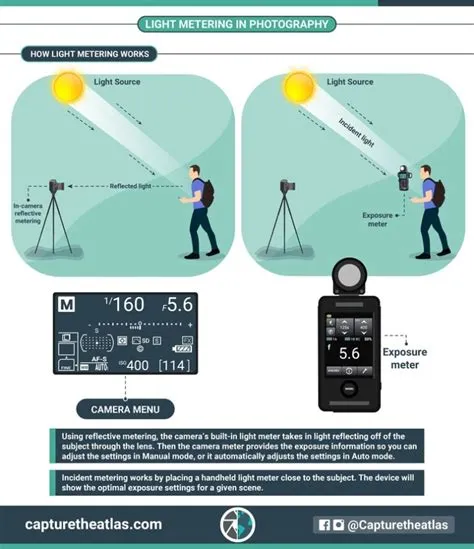
INTERIORDECOR.BIZ.ID – Light is a fundamental element for perception and interaction in the natural world. For photographers, understanding and controlling light is paramount to creating compelling images. A crucial tool in this endeavor is the light meter, which precisely measures the intensity of light.
Essentially, a light meter is an electronic device used to determine the proper exposure for a photograph. It quantifies the amount of light falling on a subject or reflecting off it. This measurement then helps photographers set their camera’s aperture, shutter speed, and ISO for an accurately exposed image.
The Importance of Accurate Exposure
Accurate exposure ensures that the details in both the brightest highlights and the darkest shadows of an image are preserved. Without proper exposure, photographs can appear too dark (underexposed) or too bright (overexposed), losing critical visual information.
The phrase “light is a primary tool for perceiving the world” highlights its importance, and a light meter acts as an extension of our ability to interpret this crucial element in a photographic context. It translates the visual experience into actionable data for the camera.
Types of Light Meters
There are two primary types of light meters: incident and reflective. Each serves a distinct purpose in measuring light and achieving the desired photographic outcome.
An incident light meter measures the light that falls directly onto the subject. This is often considered more accurate for determining exposure because it is not affected by the reflectivity of the subject’s surface. It essentially tells you how bright the light source is relative to your subject.
A reflective light meter measures the light that bounces off the subject’s surface and travels towards the meter. Most built-in camera meters are reflective, measuring the light reflected from the scene in front of the lens.
While camera meters are convenient, they can sometimes be fooled by very dark or very bright subjects. A reflective meter might underexpose a bright white object or overexpose a dark black object if it tries to render them as a mid-tone gray.
How Incident Meters Work
To use an incident light meter, you point the dome or flat sensor towards the camera’s position. The meter then reads the light that would be hitting your subject from the direction of the light source. This provides a reading that is independent of the subject’s color or texture.
This method is particularly valuable in situations with tricky lighting or when you want precise control. It ensures a consistent exposure regardless of whether your subject is a black cat or a white snowdrift.
How Reflective Meters Work
Reflective meters, like those found in most digital cameras, aim their sensors at the subject or scene. They analyze the light reflecting off the surfaces within the frame. This is useful for general scene metering and quick adjustments.
The challenge with reflective meters lies in their reliance on the assumption that the scene is an average, neutral tone (middle gray). When this assumption is violated, the meter’s readings can lead to incorrect exposures.
Using a Light Meter Effectively
Mastering a light meter involves understanding the difference between incident and reflective readings and knowing when to use each. For beginners, using an external incident meter can be a powerful way to learn about the quality and direction of light.
Photographers often carry a handheld light meter to supplement their camera’s built-in meter. This allows for more nuanced control over exposure, especially in challenging lighting conditions that can confuse automated camera systems.
The Role of Light in Photography
As the provided context mentions, “Light from the Sun warms the Earth, drives global weather patterns, and initiates the life-sustaining…” This profound impact of light on our planet is mirrored in photography, where light sculpts form, sets mood, and conveys emotion. A light meter is the tool that helps us capture this light accurately.
By understanding the definition and application of a light meter, photographers gain a deeper appreciation for light’s role and a more precise method for capturing it. This leads to technically superior and more artistically satisfying images.
In conclusion, a light meter is an indispensable device for any serious photographer, bridging the gap between the visual world and the camera’s technical requirements. It empowers creators to achieve their desired aesthetic by precisely measuring and controlling the light that defines their subjects.
Mastering the use of light meters, whether integrated into a camera or as a separate handheld device, is a fundamental step in advancing photographic skills. It transforms the intuitive understanding of light into quantifiable data for perfect exposure, every time.
The ability to accurately measure light directly impacts the final image’s quality, influencing everything from color rendition to tonal range. Therefore, dedicating time to learn about light meters is a worthwhile investment for any aspiring or established photographer seeking to elevate their craft.
Ultimately, the light meter is not just a gadget; it’s a gateway to a more profound understanding of light and its artistic possibilities. It enables photographers to move beyond guesswork and embrace deliberate, controlled image-making.
By demystifying the technical aspects of light measurement, photographers can focus more on the creative intent behind their shots. This leads to a more rewarding and impactful photographic journey.
Experimenting with different lighting scenarios and using a light meter to analyze them will build confidence and expertise. This hands-on approach is key to internalizing the principles of exposure.
The light meter, in essence, translates the photographer’s vision into the language the camera understands – the language of light and exposure values. This translation is critical for bringing artistic concepts to fruition.
Understanding the nuances between incident and reflected light readings allows for greater flexibility and control in diverse shooting environments. This adaptability is a hallmark of a skilled photographer.
The information provided by a light meter serves as the foundation upon which all subsequent creative decisions are made. It ensures that the technical base is solid, allowing artistic vision to flourish unimpeded.
In essence, a light meter is a democratizing tool, making precise exposure accessible and understandable. It helps photographers confidently navigate the complexities of light to achieve their desired visual outcomes.
By embracing the principles of light measurement, photographers can consistently produce well-exposed images that effectively communicate their intended message and aesthetic.
Frequently Asked Questions (FAQ)
What is a light meter?
A light meter is an electronic device used in photography to measure the intensity of light, helping photographers determine the correct exposure settings (aperture, shutter speed, and ISO) for an image.
What are the two main types of light meters?
The two main types are incident light meters, which measure light falling on the subject, and reflective light meters, which measure light bouncing off the subject. Most cameras have built-in reflective meters.
Why is an incident light meter sometimes considered more accurate?
An incident light meter is often considered more accurate because it measures the light directly hitting the subject, unaffected by the subject’s own color or reflectivity, thus providing a truer reading of the scene’s illumination.
When might a camera’s built-in reflective meter be unreliable?
A camera’s built-in reflective meter can be unreliable when photographing very bright or very dark subjects, as it may attempt to render them as a mid-tone gray, leading to over- or underexposure.
How do you use an incident light meter?
To use an incident light meter, you point the meter’s sensor towards the camera’s position, reading the light that would fall on your subject from the direction of the light source.
Written by: Emma Johnson