
 ZeckRV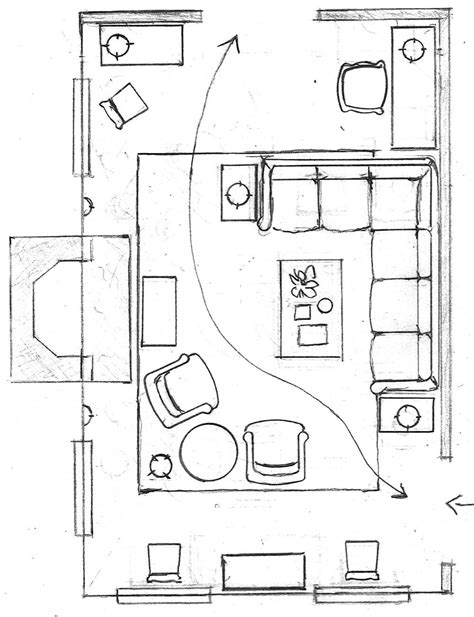
A well-thought-out living room furniture layout is crucial for creating a comfortable and inviting environment. It significantly impacts the room’s functionality, aesthetics, and overall flow, making it a space where everyone loves to gather.
Understanding Your Space and Needs
Before moving any furniture, assess your living room’s dimensions and shape. Consider how the room will be used, whether primarily for conversation, watching TV, reading, or entertaining guests.
Identify the natural focal point of your room, such as a fireplace, a large window, or a media console. All other furniture pieces should be oriented to complement or face this central feature, enhancing visual harmony.
Crucially, ensure adequate traffic flow by leaving clear pathways between furniture items. Avoid blocking doorways or creating awkward navigation routes, which can disrupt the room’s usability.
Key Principles for Arrangement
Begin by positioning the largest furniture pieces, typically the sofa or main seating arrangement. These items anchor the space and dictate the scale for subsequent placements.
Consider creating conversation zones by arranging seating facing each other or in an L-shape. This encourages interaction and makes the room feel more cohesive and welcoming.
Employ an area rug to define the seating area and visually ground your furniture grouping. Ensure that at least the front legs of all major pieces rest on the rug for a unified look.
Smart Furniture Placement Tips
The coffee table should be easily accessible from all main seating, ideally 14-18 inches from the sofa. This distance allows for comfortable reach without obstructing movement.
Incorporate accent chairs or smaller seating options to provide additional comfort and flexibility. These can be easily repositioned to accommodate various social configurations.
Strategically place side tables next to sofas and chairs to hold drinks, lamps, and personal items. Good lighting is also essential, so ensure you have a mix of ambient, task, and accent lighting.
For smaller living rooms, embrace multi-functional furniture like ottomans with storage or nesting tables. Keep pieces off the wall when possible to create a sense of depth and openness, even in compact areas.
Conclusion
Thoughtful living room furniture layout transforms a house into a home, blending practicality with style. By considering your space, defining focal points, and prioritizing traffic flow, you can craft a living room that is both beautiful and highly functional.
Written by: Emma Johnson