
 ZeckRV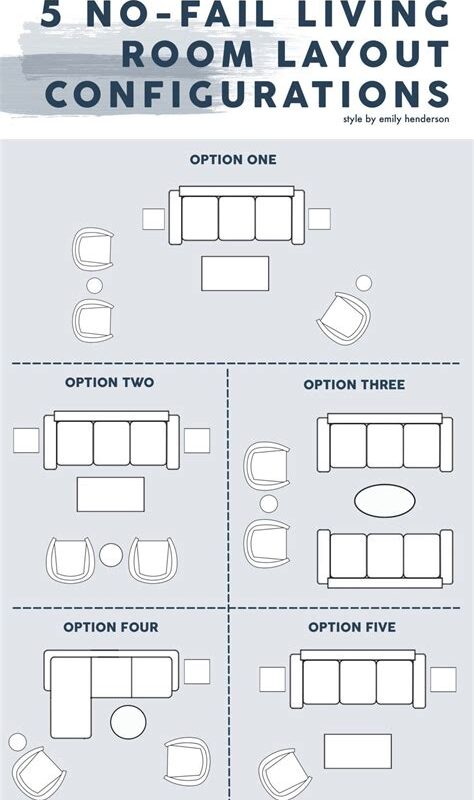
INTERIORDECOR.BIZ.ID – The living room, often seen as the heart of a home, is truly where much of our ‘living’ happens – from relaxing to entertaining. Effective living room furniture placement is crucial for creating a space that is both functional and aesthetically pleasing.
Understanding how to arrange your furniture can transform a cluttered or awkward area into a harmonious and inviting environment. This guide will walk you through essential principles for optimizing your living space.
Establish a Focal Point
Begin by identifying your room’s natural focal point, such as a fireplace, a large window with a view, or the television. All major seating pieces, like sofas and armchairs, should be oriented towards this central feature.
This creates a natural anchor for the room and ensures that furniture placement serves a purpose beyond just filling space.
Prioritize Conversation & Flow
Arrange seating to encourage comfortable conversation among guests, typically by facing pieces towards each other within 8 feet. Additionally, ensure clear pathways and traffic flow, preventing furniture from obstructing doorways or common routes.
A well-planned layout allows people to move freely and interact without awkward barriers.
Respect Room Scale & Traffic
Select furniture pieces that are proportionate to the size of your living room; oversized items can overwhelm a small space, while tiny pieces get lost in a large one. Always leave ample space around furniture for easy movement, typically at least 18 inches between a sofa and a coffee table.
This balance of scale and clear pathways is fundamental to a functional living room layout.
Layer with Rugs and Lighting
Area rugs are powerful tools for defining zones and anchoring your furniture arrangement within a larger space. Ensure that at least the front two legs of your main seating pieces rest on the rug for a cohesive look. Incorporate a mix of overhead, task, and accent lighting to add warmth and functionality to different areas of the room.
Thoughtful lighting enhances ambiance and highlights your carefully chosen furniture placement.
Avoid Common Pitfalls
Refrain from pushing all furniture flat against the walls, as this often makes a room feel less intimate and expansive. Instead, pull pieces slightly away from the walls to create a more inviting and dynamic arrangement.
Experiment with different layouts and don’t be afraid to adjust until you find what truly works best for your home and lifestyle.
Frequently Asked Questions (FAQ)
How far should a sofa be from the TV?
Generally, the ideal viewing distance from a TV is 1.5 to 2.5 times the screen size (measured diagonally). For example, a 60-inch TV would be best viewed from 7.5 to 12.5 feet away.
Should all furniture be against the wall?
No, it’s often better to pull furniture slightly away from the walls, even just a few inches. This creates a sense of spaciousness, allows for better flow, and can make the room feel more inviting and less rigid.
How do I arrange furniture in a small living room?
In a small living room, focus on multi-functional pieces (like ottomans with storage), scale furniture to the room size, and prioritize clear pathways. Using lighter colors and furniture with exposed legs can also make the space feel larger.
What’s the biggest mistake in living room layout?
A common mistake is neglecting to establish a clear focal point, leading to a disjointed and aimless arrangement. Another frequent error is poor traffic flow, where furniture blocks natural pathways, making movement awkward and difficult.
Written by: Emily Taylor