
 ZeckRV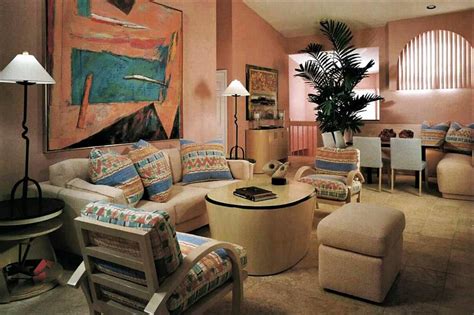
INTERIORDECOR.BIZ.ID – Stepping into a living room furnished in the 1990s meant entering a space defined by comfort, practicality, and a subtle blend of styles. This era moved away from the bold excesses of the 80s, favoring designs that prioritized function and a relaxed family atmosphere.
It created the perfect backdrop for evenings spent with loved ones, perhaps enjoying the best of 1990s classics from artists like Mariah Carey, TLC, or the Backstreet Boys.
A Blast from the Past: Defining Features
The defining characteristics of 90s living room furniture often revolved around creating inviting and highly functional spaces. Comfort was paramount, with plush, oversized pieces designed for lounging and family gatherings.
This period saw a rise in durable, family-friendly options that could withstand daily life, reflecting a focus on practicality over pure aesthetics.
Key Furniture Pieces of the Era
Oversized sofas and sectionals were central to most 90s living rooms, often featuring deep cushions and ample seating. Recliners also gained significant popularity, offering ultimate relaxation for TV viewing.
Massive entertainment centers dominated the room, serving as the focal point for televisions, VCRs, and early gaming consoles. These units were often large, modular, and designed to house a growing array of electronic devices.
Coffee tables and end tables typically featured sturdy constructions, frequently crafted from light-colored woods like oak or pine, emphasizing durability and a clean look.
Material & Color Palettes
Microfiber upholstery became a popular choice for sofas and chairs due to its soft feel, durability, and ease of cleaning. Laminate surfaces were also common for tables and entertainment units, offering a practical and affordable option.
The color palettes of the 90s leaned towards comforting earth tones such as beige, sage green, and muted blues. Jewel tones like burgundy and forest green were also prominent, adding a touch of richness without being overly flashy, alongside some muted pastels.
The 90s Vibe: Pop Culture Influences
The living room was undoubtedly the hub for media consumption during the 90s, where families gathered to watch Blockbuster rentals or play Nintendo. It was a communal space where technology began to integrate more deeply into home life.
Imagine relaxing on a plush microfiber sofa, surrounded by sturdy oak furniture, while listening to hits from Destiny’s Child, *NSYNC, or Britney Spears. This furniture style provided a comfortable, unpretentious setting for the cultural phenomena of the decade.
Today, 90s living room furniture continues to evoke a strong sense of nostalgia and is experiencing a resurgence in popularity. Its emphasis on comfort, durability, and understated style offers a timeless appeal that many contemporary homes are rediscovering.
FAQ: Understanding 90s Living Room Furniture
-
What defined 90s living room furniture?
90s living room furniture was primarily defined by its emphasis on comfort, practicality, and durability. Oversized, plush pieces were common, designed for family use and relaxed lounging.
-
What materials were popular in 90s furniture?
Popular materials included microfiber upholstery for sofas and chairs, known for its softness and stain resistance. Light-colored woods like oak and pine were frequently used for tables and shelving units, often paired with laminate surfaces.
-
Were entertainment centers common in the 90s?
Yes, large entertainment centers were a hallmark of 90s living rooms. They were designed to house televisions, VCRs, stereo systems, and game consoles, often becoming the room’s central focal point.
-
How can I incorporate 90s furniture into a modern home?
You can incorporate 90s furniture by selecting key pieces like a comfortable, oversized sofa or a classic oak coffee table. Pair them with modern accents, updated textiles, and a minimalist color palette to create a chic, nostalgic blend.
Written by: Sarah Davis