
 ZeckRV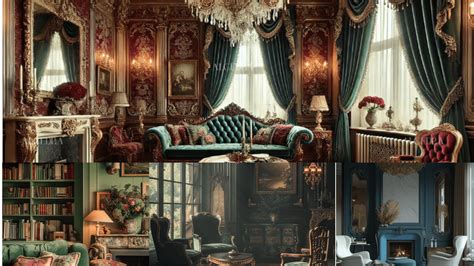
INTERIORDECOR.BIZ.ID – Embracing **Victorian living room furniture** allows homeowners to infuse their space with unparalleled historical grandeur and sophisticated charm. This distinctive style, popular during Queen Victoria’s reign (1837-1901), is renowned for its elaborate ornamentation and luxurious materials.
Understanding the key characteristics and typical pieces can help you curate an authentic and breathtaking Victorian aesthetic. It is a design philosophy that speaks to opulence, comfort, and a deep appreciation for craftsmanship.
The Enduring Appeal of Victorian Style
Victorian interior design reflects the industrial boom and expanding global trade of its era, leading to a profusion of diverse influences and manufacturing capabilities. This period saw the rise of a distinct aesthetic characterized by intricate details, dark woods, and rich textiles. The style often combined elements from Gothic, Rococo, and Neoclassical designs, creating a unique and often eclectic look.
Furniture from this period served not only functional purposes but also acted as decorative statements, symbolizing wealth and social status. Every piece was designed to be admired, showcasing elaborate carvings and plush upholstery.
Hallmarks of Victorian Furniture
Victorian furniture is immediately recognizable by several defining features that contribute to its luxurious appeal. Expect to see highly carved wood, often in dark finishes like mahogany, walnut, or rosewood, adorned with floral motifs, scrolls, and intricate patterns. The construction quality was exceptional, intended to last for generations.
Upholstery played a crucial role, typically featuring rich, heavy fabrics such as velvet, brocade, tapestry, and horsehair, often in deep jewel tones or patterns. Comfort was also a consideration, with generous padding and often tufted designs adding to the lavish feel.
Essential Victorian Living Room Furniture Pieces
Sofas and Seating
Central to any Victorian living room is the sofa, which was often large, deeply upholstered, and highly decorative. Styles like the Chesterfield sofa, with its distinctive deep button-tufting and rolled arms, remain iconic examples of the era’s elegance. Balloon-back chairs and slipper chairs were also common, offering graceful curves and luxurious seating options.
Armchairs and occasional chairs featured ornate frames and plush cushions, providing comfortable yet elegant spots for conversation or reading. These pieces often had intricate legs, sometimes ending in carved animal claws or casters for mobility.
Tables and Storage
Coffee tables, side tables, and console tables in Victorian living rooms were typically substantial and ornately carved. Many featured marble tops, claw feet, or pedestal bases, adding to their decorative presence. These tables served both practical and aesthetic purposes.
Display cabinets, curio cabinets, and large bookcases were also prevalent, used to showcase collections, books, and decorative objets d’art. These pieces often had glass doors and intricate mouldings, turning storage into an elegant exhibition.
Decorative Accents and Lighting
Beyond the main furniture pieces, Victorian living rooms were rich with decorative accents that completed the opulent look. Large, gilded mirrors with elaborate frames were common, reflecting light and adding to the room’s grandeur. Elaborate drapery made from heavy fabrics like velvet or brocade, often with tassels and fringe, framed large windows.
Lighting fixtures included gasoliers (early gas chandeliers), elaborate table lamps with fringed shades, and floor lamps, all designed with decorative elements. These elements collectively contributed to the rich, layered atmosphere characteristic of Victorian design.
Integrating Victorian Style into Modern Homes
While a full Victorian recreation might be overwhelming for some contemporary spaces, elements of **Victorian living room furniture** can be beautifully integrated. Consider pairing a classic Chesterfield sofa with modern minimalist tables for an eclectic look. Focusing on one or two statement pieces can add character without dominating the room.
Choose rich textiles like velvet throw pillows or a brocade accent chair to introduce Victorian luxury in a subtle way. Dark, polished wood furniture can ground a room and add a touch of antique sophistication. Mixing old and new creates a dynamic space that honors history while embracing contemporary comfort.
Conclusion: Timeless Elegance
**Victorian living room furniture** offers a timeless appeal for those seeking to imbue their homes with history, luxury, and meticulous craftsmanship. Its rich detailing, robust construction, and sumptuous materials create an atmosphere of unparalleled elegance. By thoughtfully selecting key pieces and incorporating decorative accents, you can successfully capture the spirit of the Victorian era in your modern living space.
Frequently Asked Questions (FAQ)
What defines Victorian living room furniture style?
Victorian living room furniture is characterized by its elaborate ornamentation, dark wood finishes (like mahogany, walnut, rosewood), rich and heavy upholstery (velvet, brocade), and a combination of influences from Gothic, Rococo, and Neoclassical designs. It emphasizes comfort, luxury, and intricate craftsmanship.
What are common pieces of furniture found in a Victorian living room?
Common pieces include large, deeply upholstered sofas (like Chesterfields), balloon-back chairs, slipper chairs, ornate coffee and side tables (often with marble tops or claw feet), and display cabinets or bookcases for showcasing collectibles. Gilded mirrors and heavy drapes are also key decorative elements.
What materials were typically used for Victorian furniture?
The primary materials for Victorian furniture frames were dark, polished woods such as mahogany, walnut, rosewood, and oak. Upholstery frequently featured luxurious and durable fabrics like velvet, brocade, tapestry, horsehair, and plush silks, often with tufting and fringed details.
Can Victorian furniture fit into a modern home?
Absolutely. Victorian furniture can be beautifully integrated into modern homes by selecting a few statement pieces, such as a Chesterfield sofa or an ornate display cabinet, and pairing them with contemporary decor. This creates an eclectic and sophisticated look that balances historical charm with modern aesthetics.
How can I make Victorian style feel less heavy or dark in my living room?
To lighten the feel, balance dark Victorian furniture with lighter wall colors, ample natural light, and strategically placed mirrors to enhance brightness. Incorporate lighter accent pieces or use Victorian-inspired textiles in brighter jewel tones rather than solely dark hues. Mixing in some contemporary elements with cleaner lines can also create a fresher look.
Written by: Emma Johnson