
 ZeckRV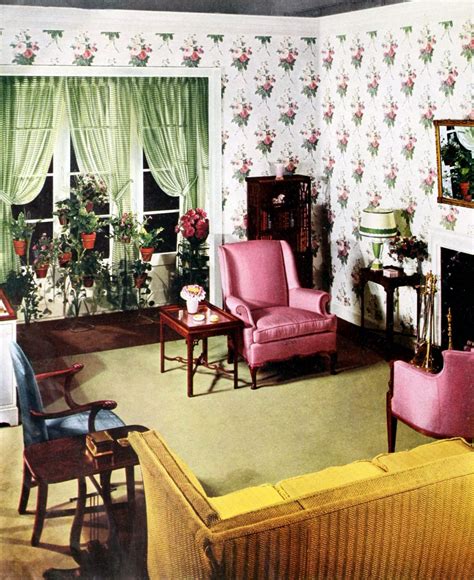
INTERIORDECOR.BIZ.ID – The 1930s marked a distinctive era in interior design, profoundly shaping living room furniture with styles that blended luxury, modernity, and a touch of optimism amidst economic hardship. Understanding these styles provides insight into a pivotal moment in design history and helps appreciate the enduring appeal of vintage decor.
The Dawn of Modernity in Living Rooms
As the world navigated the Great Depression, furniture design in the 1930s sought to balance practicality with aspirational aesthetics. Living rooms became central to family life, leading to designs that offered both comfort and a sense of sophistication for the home.
Art Deco: Geometric Grandeur
Art Deco, having peaked in the late 1920s, continued to exert a strong influence into the 1930s with its opulent and geometric forms. This style featured bold lines, stepped profiles, and lavish materials, often creating a luxurious and dramatic atmosphere.
Typical Art Deco pieces included large, symmetrical sofas and armchairs upholstered in rich fabrics like velvet or leather, frequently adorned with polished wood, chrome, or exotic veneers. Coffee tables and side tables often showcased mirrored surfaces or intricate inlays, emphasizing a sense of grandeur and craftsmanship.
Streamline Moderne: Sleek Sophistication
Emerging as a more understated evolution of Art Deco, Streamline Moderne focused on sleek, curvilinear forms inspired by industrial design, aerodynamics, and speed. This style championed simplicity, functionality, and smooth, flowing lines, reflecting a more hopeful, forward-looking aesthetic.
Furniture in the Streamline Moderne tradition often featured rounded edges, polished chrome tubing, and expansive, uncluttered surfaces. Sofas and chairs had softer, more ergonomic shapes, frequently upholstered in durable, solid-colored fabrics that highlighted their elegant silhouettes.
Enduring Traditionalism and Colonial Revival
While modern styles gained traction, traditional and Colonial Revival furniture remained popular, especially in more conservative homes. These pieces offered comfort and familiarity, often drawing inspiration from earlier American and European designs.
Wingback chairs, Chippendale-style tables, and traditional wood-frame sofas continued to find their place, providing a contrast to the avant-garde designs. These styles emphasized craftsmanship and historical continuity, appealing to those who preferred timeless elegance over contemporary trends.
Signature Materials and Features
The 1930s saw a fascinating mix of materials defining its furniture landscape. Polished woods like walnut and mahogany were common, alongside innovative use of chrome, Bakelite, and glass.
Upholstery choices ranged from plush velvets and damasks for Art Deco pieces to more subdued wools and practical chenilles for Streamline Moderne. Integrated storage solutions and multi-functional pieces also began appearing, reflecting a growing demand for efficiency in urban living spaces.
The Legacy of 1930s Design
The distinct furniture styles of the 1930s left an indelible mark on subsequent design movements, particularly influencing mid-century modern aesthetics with their emphasis on clean lines and functional forms. These pieces are highly sought after today, admired for their historical significance and timeless appeal.
Conclusion
From the luxurious geometry of Art Deco to the sleek curves of Streamline Moderne and the enduring comfort of traditional designs, 1930s living room furniture offered a rich tapestry of styles. These designs not only furnished homes but also reflected the evolving cultural landscape, shaping what we consider elegant and functional today.
Frequently Asked Questions (FAQ)
What defines 1930s living room furniture styles?
The 1930s living room furniture is defined by a blend of Art Deco’s luxurious geometry, Streamline Moderne’s sleek, curvilinear forms, and the enduring presence of traditional and Colonial Revival pieces. It balanced practicality with aspirational aesthetics during a challenging economic period.
What were the main furniture styles popular in 1930s living rooms?
The primary furniture styles were Art Deco, characterized by bold lines, rich materials, and geometric patterns; Streamline Moderne, known for its smooth, rounded edges and industrial-inspired simplicity; and traditional styles like Colonial Revival, which offered classic comfort and familiarity.
How does Art Deco differ from Streamline Moderne furniture?
Art Deco furniture tends to be more opulent and dramatic, with sharp angles, stepped profiles, and lavish materials such as exotic woods, chrome, and mirrors. Streamline Moderne, on the other hand, is characterized by its sleek, curvilinear forms, rounded corners, and a more understated elegance, often utilizing polished chrome and solid-colored upholstery.
What materials were commonly used in 1930s living room furniture?
Common materials included polished woods like walnut and mahogany, innovative metals such as chrome, and new plastics like Bakelite. Upholstery ranged from luxurious velvets and damasks to durable wools and chenilles, reflecting the diverse styles of the decade.
Written by: Sarah Davis