
 ZeckRV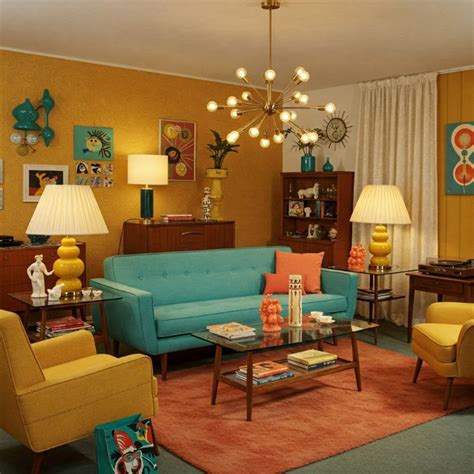
INTERIORDECOR.BIZ.ID – The era of the 1950s ushered in a distinctive aesthetic for the modern home, particularly in the living room. Understanding 1950s living room furniture means exploring a blend of innovative design, new materials, and a shift towards comfort and functionality.
The Defining Characteristics of 1950s Furniture
This decade was dominated by the Mid-Century Modern movement, characterized by clean lines and organic shapes. Influences from Danish Modern and the futuristic Atomic Age also shaped the furniture landscape significantly.
Designers aimed for pieces that were both beautiful and practical, often emphasizing simplicity and uncluttered forms. This philosophy reflected a post-war optimism and a desire for efficient, modern living spaces.
Iconic Pieces and Materials of the Era
Common materials included rich woods like teak and walnut, often paired with sleek chrome or brass accents. Upholstery frequently featured durable fabrics such as tweed, boucle, and vibrant vinyl.
Seating options saw the rise of sculptural lounge chairs, often with tapered legs, and streamlined sofas. Sectional sofas gained immense popularity, offering flexible arrangements for family gatherings.
Coffee tables often featured abstract shapes or glass tops, while credenzas provided stylish storage solutions. These pieces often showcased minimalist designs with hidden functionality.
Color palettes ranged from bold primary hues and muted pastels to earthy tones, reflecting different design sensibilities. Pops of color were common, bringing vibrancy to otherwise neutral spaces.
Integrating 1950s Design into Modern Living
Advancements in manufacturing allowed for mass production of well-designed furniture at more accessible prices. This made stylish pieces available to a broader audience, democratizing good design.
Today, 1950s living room furniture remains highly sought after by collectors and interior designers. Its timeless appeal lies in its durable construction, functional beauty, and unique historical significance.
Embracing the charm of 1950s furniture allows one to infuse a space with character, history, and unmistakable mid-century flair. These iconic pieces continue to inspire contemporary design and enrich modern homes.
Frequently Asked Questions (FAQ)
What defined 1950s living room furniture?
1950s living room furniture was defined by its clean lines, organic shapes, and a strong emphasis on functionality and minimalist aesthetics. It often reflected the optimism and modern sensibilities of the post-war era.
What materials were commonly used in 1950s furniture?
Common materials included rich woods like teak and walnut for frames and surfaces, complemented by metal accents such as chrome or brass. Upholstery frequently featured durable fabrics like tweed, boucle, and vinyl.
Is Mid-Century Modern the same as 1950s furniture?
Mid-Century Modern is a broad design movement that spans from roughly the mid-1930s to the mid-1960s, with the 1950s being a peak period. While not exclusively 1950s, much of the iconic 1950s furniture falls under the Mid-Century Modern umbrella due to shared design philosophies.
How can I incorporate 1950s furniture into a modern home?
You can seamlessly integrate 1950s furniture by selecting a few key pieces like a streamlined sofa, a sculptural lounge chair, or a vintage credenza. Pair them with contemporary decor to create an eclectic, balanced look that highlights their timeless design.
Written by: William Clark